Stand Up Paddleboarding is the most intuitive way to walk on water. The moment you stand on that board, both your balance reflexes and your perspective change completely. Looking at the world not from water level but from half a metre above — it is a doorway into reseeing the landscape, the horizon, and your own body.
What makes SUP magical is how accessible it is. Almost anyone can stand on the board in their first session and paddle in controlled lines within the first 30 minutes. This fast reward is what made it the world's fastest-growing water activity over the last decade. Yet its depth is bottomless: SUP race, SUP touring, SUP yoga, SUP fitness, wave SUP — each with its own discipline and expertise.
SUP at sunset on Lake Dağyenice — it resets everything. When the soft evening light, the still surface and the silence behind your shoulders all come together, you can come home from even the busiest day with a clear mind. The Master Rowing Club SUP programme exists precisely to make that experience standard.
What is SUP?
Stand Up Paddleboarding (SUP) is a water sport in which the participant stands on a wide, stable board and propels forward with a long-handled paddle. Modernised in the early 2000s from Hawaiian surf roots, SUP has reached millions of practitioners worldwide in a short time. The wide surface area of the board makes it one of the most accessible entry points for those new to water sports.
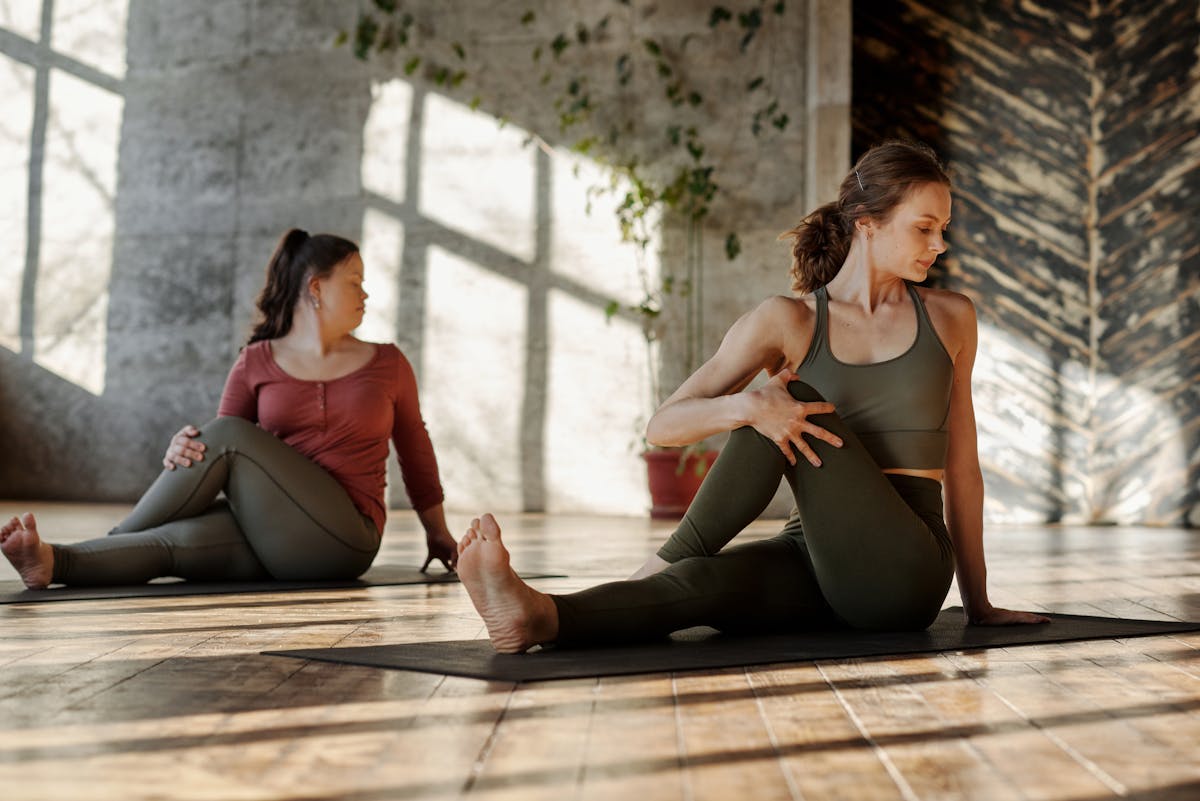
SUP is a richly varied family of sub-disciplines. Flatwater SUP — practised on lakes, bays and slow rivers — is the most common form. SUP Touring focuses on long-distance exploration. SUP Race covers competitive formats from 200-metre sprints to 18-mile long distance events. SUP Yoga and SUP Fitness use the unstable board surface as a platform for meditation and training. SUP Surf returns the sport to its homeland — ocean waves.
Physiologically, SUP is unique in the constant core activation it requires. Standing on the board itself keeps the deep abdominal and back muscles continuously active through micro-balance corrections that go unnoticed by the eye. For this reason, even a 30-minute calm SUP tour produces muscle activation equivalent to a traditional core training session. Calves, glutes and ankles also remain engaged as secondary stabilisers.
SUP is one of the fastest-growing water sports globally over the past decade. The International Surfing Association (ISA) has adopted the sport, while the International Canoe Federation (ICF) is also driving competitive SUP forward as an Olympic candidate. SUP has been on the agenda as a demonstration sport at the 2028 Los Angeles Olympics.
In Turkey, SUP is rapidly becoming popular along the Aegean and Mediterranean coasts, then in the Bosphorus and inland lakes. Licensed competitions are organised under the Turkish Surfing Federation, and the intersection of ecotourism with SUP is creating new destinations. Master Rowing Club is the first club in Bursa and the South Marmara region to offer SUP as a structured programme.
Lake Dağyenice is the most suitable venue in the region for SUP. The flat water surface, absence of motorised traffic, valley wind shelter, and the natural surroundings of the lake — all of these conditions make time spent on the board uniquely rewarding. The light over the lake at dawn and during golden hour turns the experience into a photogenic meditation.
SUP is equally well suited to the most solitary and the most social use. You can paddle silent solo tours for hours, explore the lake with friends in a group session, or share a yoga or fitness class. This versatility has made SUP the fastest-growing branch in our club.
History
History of SUP
SUP's origins trace back millennia to Hawaii's ancient surf culture. Polynesian peoples paddled large boards while standing, using long paddles for fishing and travel. The modern revival began in the 1950s in Hawaii when Waikiki surf instructors stood on boards to better see their students.
In the early 2000s, surf legends like Laird Hamilton and Dave Kalama brought SUP back as a cross-training tool. Around the same time, board designers like Jimmy Lewis and Ron House began building boards specifically for SUP — laying the groundwork for the sport's lightning-fast spread.
The International Surfing Association (ISA) has officially recorded SUP since 2008 and runs the World SUP Championships. The International Canoe Federation (ICF) is also driving competitive SUP forward as an Olympic candidate. SUP retains its title as the world's fastest-growing water sport over the past decade.
In Turkey, SUP became visible from the mid-2010s along the Aegean and Mediterranean coasts. SUP tours on the Bosphorus carried the sport into media visibility. Inland lakes like Dağyenice, Sapanca and Uluabat became gathering points for SUP communities. Master Rowing Club is the first club in Bursa to offer SUP as a structured programme.
Benefits of SUP
Core strength
Standing on a board activates constant core engagement. 30 minutes of SUP provides core activation equivalent to a full plank series.
Balance & coordination
Adapting to the water's movement develops proprioception. Balance typically improves noticeably within 4–6 sessions.
Low-intensity cardio
A relaxed SUP session burns approximately 250–300 calories in 45 minutes and keeps the heart in the aerobic zone.
Stress reduction
Moving alone on still water in a natural setting creates the 'blue mind' effect. Research confirms that time near water lowers cortisol.
Year-round
Morning mist, autumn colours or winter cold — each season offers a different SUP experience. Lake Dağyenice is open 365 days.
Solo or social
SUP can be done in a group or explored alone at your own pace. Programmes exist for both formats. This versatility lets you use SUP differently on different days of the week.
Quick accessibility
Most people can stand on the board and paddle within the first 20 minutes of their first session. This fast reward is a strong motivator for continued practice. SUP is the lowest-resistance entry point to water sports.
Posture & spine health
Standing on the board naturally aligns the spine. Hundreds of micro balance corrections per hour strengthen the deep spinal muscles. Regular SUP practitioners report meaningful reductions in chronic lower-back pain.
Flexibility & range of motion
Body rotation and shoulder range are continuously used in the paddle stroke. This helps loosen tissues shortened by static desk work. SUP practitioners typically gain shoulder range of motion.
Vitamin D and serotonin
Outdoor SUP under sunlight supports natural vitamin D synthesis and increases serotonin production. The observed positive effect on mood and energy is distinct from indoor exercise.
Blue mind effect
Direct contact with the water surface produces the mental calm state described in neuroscience as 'blue mind.' Reduced anxiety, increased creativity and longer focus spans are typical markers of this effect.
Technical Overview
Board Selection
Beginners are recommended a 30–32 inch all-around board. As experience grows, narrower, faster race boards can be introduced.
Paddle Length
Paddle should be 15–20 cm taller than the paddler. Incorrect paddle length is a common cause of shoulder and back strain.
Stance & Balance
Feet shoulder-width apart, centred over the fins. Knees softly bent, spine upright. Eyes on the horizon — not the feet.
Forward Stroke
Blade fully submerged, body rotates to draw the paddle to hip level. Power comes from torso rotation, not the arms.
Equipment
Equipment Guide
All boards, paddles and safety equipment are supplied by the club. The guide below is for those interested in equipment selection.
All-Around Board
10'6" – 11'6" long, 32–34 inches wide. The most stable choice for beginners and a versatile platform for touring, yoga and general use.
Touring Board
11'–12'6" long with a more pointed nose. Built for distance and faster cruising. Recommended for intermediate-to-advanced paddlers.
Race Board
14' standard race length. Narrow (24–26 inches), fast but unstable. Built for competitive SUP and demands fitness and technique.
Paddle
Should be 15–20 cm taller than the paddler. Carbon fibre is light and efficient; aluminium/fibreglass is fine for beginners. Blade shape can be racing (square) or touring (wide).
Leash
A safety line attached to the ankle or calf that keeps the board from drifting away in a fall. Mandatory in open water; recommended on inland waters in strong wind.
Life Vest (PFD)
Required for SUP in Turkish waters. A thin, front-open model is preferred for freedom of movement.
Cold-Weather Gear
For winter SUP: neoprene socks, gloves, hood and wetsuit. Mandatory once water temperature drops below 15°C.
Training
Training Programme
SUP training progresses from quick early success to deeper technique. Most paddlers reach independent paddling within 2–3 sessions.
- 01
Land Preparation
Session 1Stance, paddle grip, balance principles and safety briefing. Basic moves on dry ground. Equipment introduction.
- 02
Balance and Basic Technique
Sessions 2–5Kneeling and standing on the board, forward stroke, turning techniques, first 1 km independent tour. Falling and re-mounting practice.
- 03
Long Distance
Months 1–35–10 km endurance tours, paddle efficiency, downwind and upwind technique, basic navigation.
- 04
Racing and Advanced Technique
Months 3+Sprint training, race start technique, buoy turns, drafting positions. Preparation for the Turkish SUP race calendar.
- 05
Winter SUP Programme
December–FebruaryCold-weather gear introduction, short and frequent paced tours, hypothermia prevention, safety protocols.
Who Can Participate?
First time on a board. Land coaching, balance and first 500 metres included.
Basic technique established. Long-distance touring, turns and downwind work.
Guided exploration of different parts of the lake.
Speed and performance focus. National competition preparation programme.
Frequently Asked Questions
Most people can stand on the board in their first session. 2–3 sessions for confident paddling; 8–10 for technical SUP.
Start SUP.
Reach us on WhatsApp — let's find the right programme together.